
We are driven by the ambition to design and build in an innovative, environmentally conscious way—without compromising on aesthetics or performance. We believe that reducing the polluting emissions and energy consumption of the civil and industrial buildings we design can contribute to the progress of society and the evolution of engineering design, with a view to eco-sustainability.
To achieve this goal and apply our eco-sustainable design techniques efficiently, we guarantee continuous updating and improvement of our skills, with the constant aim of customer satisfaction and well-being in the living spaces.

Energy efficiency means using fewer resources to achieve the same—or even better—results. By adopting a strategy focused on improving system performance, reducing maintenance needs, and eliminating inefficiencies, it becomes possible to use less energy for heating, cooling, and lighting. This leads to significant savings in both resources and costs.

Living comfort is a state of physical and mental well-being generated by our sensory perceptions of internal environmental factors such as temperature, humidity, noise level, brightness, and design. The feeling of well-being begins with living in a space that aligns with our expectations and lifestyle. Thoughtful, eco-sustainable design—focused on spatial quality and interior choices—is key to achieving lasting comfort.

Reducing energy consumption directly contributes to lowering global pollution. By decreasing the use of fossil fuels for energy production—and consequently cutting greenhouse gas emissions—we help mitigate global warming and support a healthier planet.

The use of a photovoltaic system has economic and environmental advantages: it allows electricity to be produced using sunlight, thereby reducing CO2 emissions, energy consumption and energy bills.

Renewable sources are inexhaustible energy sources that are not consumed by their use and are naturally regenerable (such as solar, wind, hydroelectric, geothermal, marine, and biomass energy). Transitioning to renewable energy reduces fossil fuel dependency and supports a cleaner energy future.

LED lighting offers multiple benefits in terms of energy efficiency, durability, light quality, and resistance. LED technology consumes less energy, lasts longer than traditional lighting, and is more environmentally friendly as it does not contain mercury.

End-of-life recovery is a fundamental aspect of eco-sustainable design and responsible resource management. Recycling products that have reached the end of their life cycle through landfill disposal promotes a circular economy and the reuse of waste, helping to reduce environmental impact. Recovered material, for example from demolition, can be used in the construction industry for new buildings.

In eco-sustainable design, a flexible system is a solution that can meet multiple needs simultaneously and incorporates modular and flexible elements. Buildings designed with this in mind can be adapted or modified over time without the need for demolition and reconstruction from scratch. As requirements and uses change, good system design also affects the flexibility of a living space.

The term “sponge building” is associated with the idea of sustainable architecture. It refers to a building designed to absorb and store rainwater instead of draining it into the sewer system. A sponge building (and city) helps mitigate periods of drought drought, contributing to reducing water emergencies and helping to reduce flooding.

A smart building is a living space in which systems are managed in an intelligent and automated way, offering significant advantages in terms of energy efficiency, living comfort, and safety for residents. In a smart system, in addition to the accurate detection of all system parameters, the systems that make up the building can communicate with each other in an automated and integrated manner.
Our design strategy is centered on maximizing energy efficiency at every project step. By choosing cutting-edge technologies and optimizing processes, we are committed to reducing energy consumption, helping to preserve natural resources and contain operating costs, moving towards the concept of buildings of the future.

Sustainable design is not only a way to reduce consumption and environmental impact, but a cultural change to rethink the role of buildings in urban contexts.
Near Zero & Plus Energy Building.
01
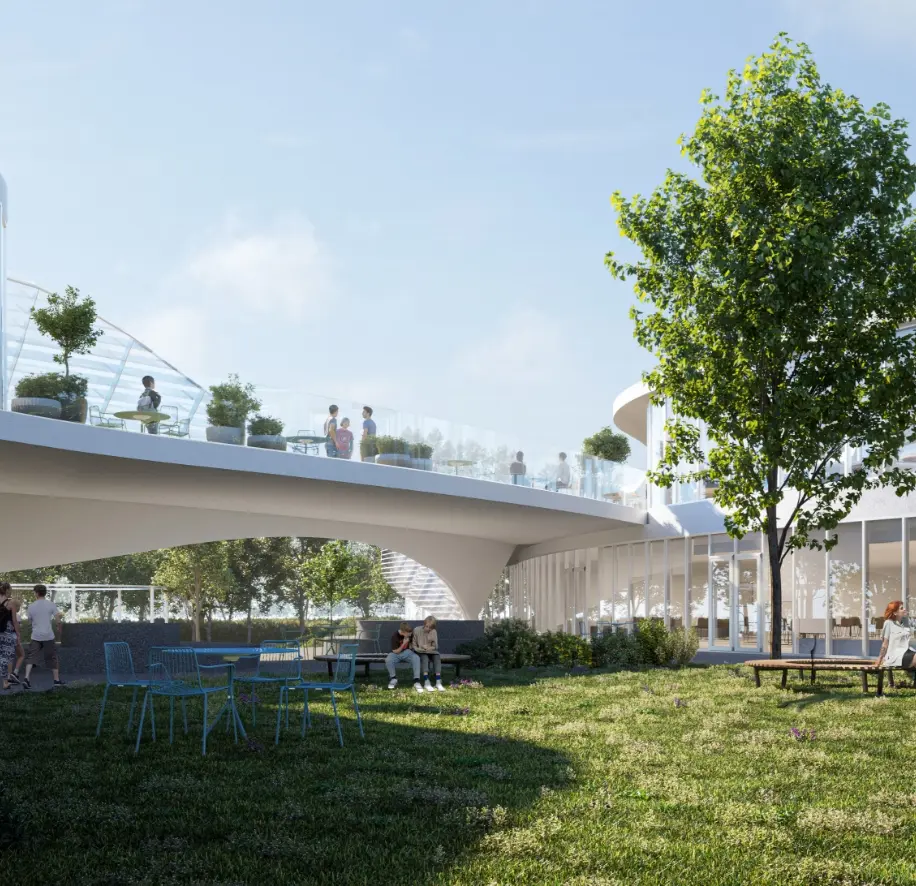
What if buildings could not only meet their own energy needs, but also give energy back? This is the idea behind our approach to Plus Energy Buildings—structures designed to exceed the Near Zero Energy standard and actively contribute to the energy grid. Aiming for such goals means that our design is based on high standards, is very accurate, and is integrated with multiple areas of expertise.
We design buildings of these types that are already integrated with photovoltaic systems, equipped with panels for electricity production and energy storage elements.
CAM and Sustainability.
02
Derived from the logic of the PNRR and the DSNH (i.e., the principle of “do no significant harm” to the environment), the Minimum Environmental Criteria (CAM) serve to identify solutions on the market that offer a better life cycle and performance from an environmental point of view. In terms of building design, following these guidelines means thinking about a building that has minimum requirements to reduce environmental impact, promote sustainability, and energy efficiency, for example in the choice of building materials and waste management.
In our design, we comply with CAM (2022) standards, aiming for solutions that leave the smallest possible environmental footprint. In particular, we design with a focus on water management and concepts such as the Sponge Building.

LEED certification.
03
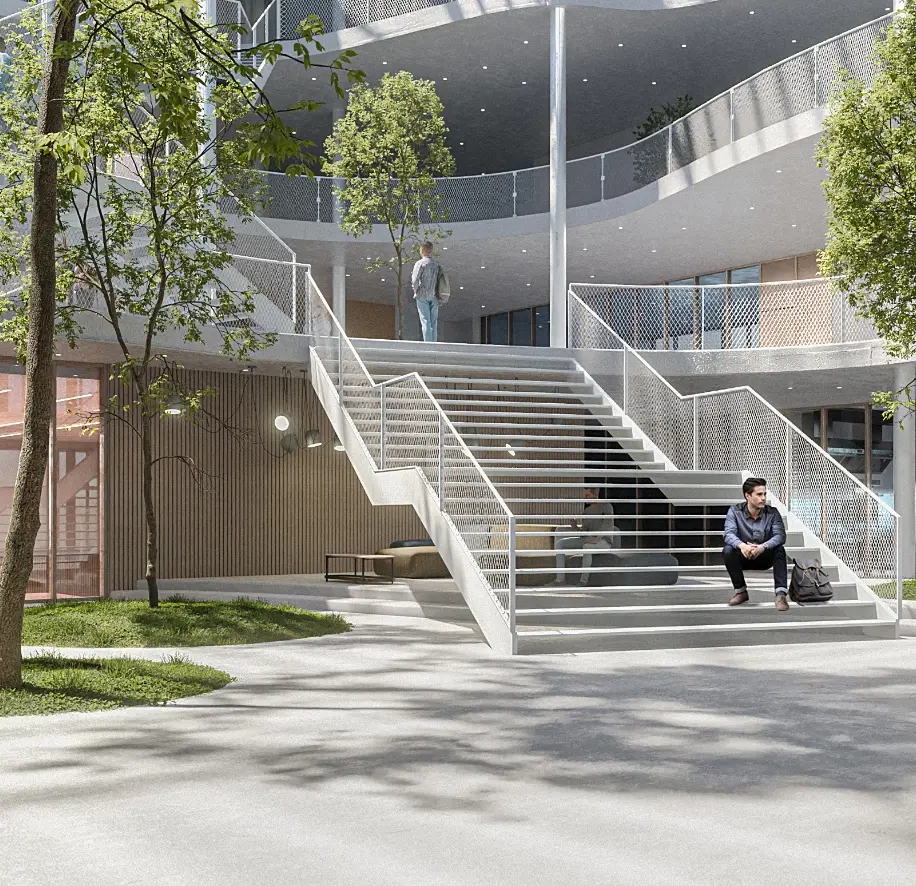
LEED® (Leadership in Energy and Environmental Design) certification is a standard promoted by the U.S. Green Building Council that certifies the sustainability level of a building. This certification analyzes the performance of buildings in various areas (energy and water savings, CO2 emissions reduction, improvement of indoor environmental quality, materials and resources used, design and site selection) and assigns credits for each of them, the sum of which constitutes the four certification levels.
LCC and LCA analysis.
04
An LCC (Life Cycle Costing) analysis calculates the expected costs throughout the entire life cycle of a product or service, from the pre-production stages to final disposal, in order to achieve better economic sustainability. In our business, an LCC analysis is a tool that supports design choices, from the choice of a building's systems to the entire project, or the renovation of an existing property.
At the same time, we also carry out LCA (Life Cycle Assessment) analyses to quantify the potential environmental and health impacts associated with a product or service, assessing energy consumption, materials used, and emissions. By using these two methods together, we are able to gain a comprehensive view of the project.
Projects.
 Our latest
work
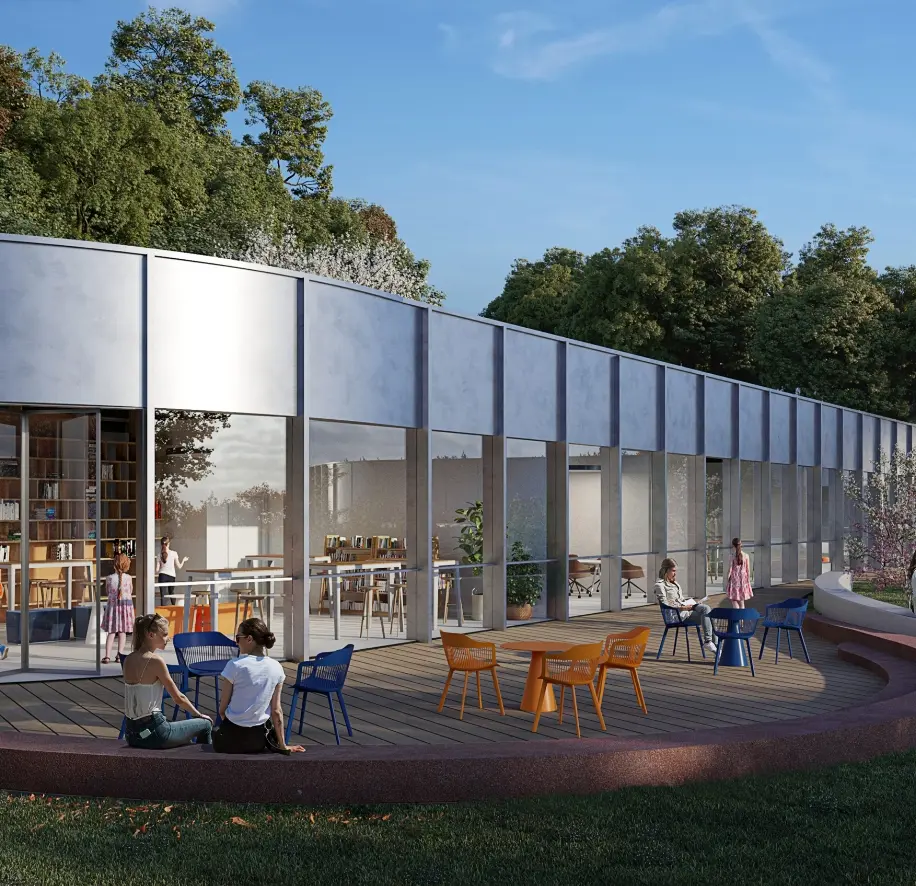
Every project we develop is the synthesis of the vision of our specialists. Thanks to our experience, we choose the best solutions available on the market, focusing on living comfort and eco-sustainability.
All projects
